Or: Why sales figures don’t always give the best indication of what the Victorians were reading If you’re a long-term reader of this blog, you’re probably familiar with its authors’ fascination with reading cultures. We’re aware that many of our readers found their way here for the numbers: maybe you urgently needed to know which…
Tag: novels
The Bestselling English Novels of the Nineteenth Century, Ranked: Part Four
Other Bestselling Nineteenth-Century Novels – A Miscellany Part One, on instant successes, is here.Part Two, on novels which were successful in their first few years, is here.Part Three, on novels that sold well in their first few decades, is here. In this final (belated!) instalment of our series on very successful nineteenth-century novels, we provide…
The Bestselling English Novels of the Nineteenth Century, Ranked: Part Three
Which nineteenth-century novels sold the most in their first few decades? Part One, on instant successes, is here.Part Two, on novels which were successful in their first few years, is here.Part Four, on successful novels that don’t really fit into any of the other categories, is available here. In this post, we provide sales figures…
The Bestselling English Novels of the Nineteenth Century, Ranked: Part Two
Which nineteenth-century novels sold the most copies over their first few years? Part One on instant successes is here.Part Three, on novels that sold well in their first few decades, is here.Part Four, on successful novels that don’t fit into any of our other categories, is here. Last week we took a dive into the…
The Bestselling English Novels of the 19th Century, Ranked: Part One
Which were the fastest-selling novels of nineteenth-century Britain? Part Two, on novels which were successful in their first few years, is here.Part Three, on novels that sold well in their first few decades, is here.Part Four, on successful novels that don’t fit into any of our other categories, is here. This blog has been around…
Fun with Search Terms
Today, out of curiosity, I decided to take a peek at the search terms that people have found The Sea of Books with, over the year that our blog has been in existence. The results were intriguing, but suggest to me that I may want to think about doing some kind of search engine optimisation……
Jane Austen’s Social Networks
On July 18th two hundred years ago, at a house in Winchester, Jane Austen died at the relatively young age of 41. She had laid down her pen twelve chapters into her final novel (The Brothers, later published as Sanditon) in March of 1817, due to her worsening health, and it would remain unfinished. Her…
Insult of the Week: he talked mere drivel
The preacher in residence at St. Hilda’s Church in Donegal, Mr. Vivian, gets a poor review from Charlotte Riddell in her 1888 novel The Nun’s Curse. Although his good qualities are many, and he does excellent work with the sinful and/or suffering members of his parish, his preaching abilities are, frankly, nil. Unlearned, unlettered, uncultured…
Six Great 19th Century Novel Bakes
There are 62 references to cake so far in our 19th- century corpus, ranging from Jane Eyre’s slightly depressing “oaten-cakes” (also found in Shelley’s Frankenstein) to the more lavish offerings of plum-cake, plum-pudding, tea-cake, sponge-cake, and cheese-cake that appear in works by Dickens, Le Fanu and others. Here are a few of the most famous – although…
Image Collection of the Week: A Fleet of Sailing Ships
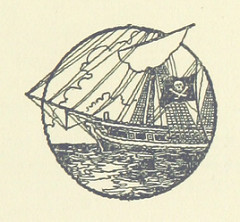
Today’s image collection comes in honour of that most solemn and dignified of annual celebrations: Talk Like A Pirate Day. And what better source of swashbuckling quotes is there than Robert Louis Stevenson’s formative pirate novel Treasure Island? Not only has this work given us such celebrated tropes as “Shiver my timbers!”, “Yo-ho-ho and a…
Insult of the Week: “…these bungling imitators”
In Chapter 11 of Maria Edgeworth’s Ennui, the narrator and Lady Geraldine go for a leisurely stroll around the ornamental buildings in the grounds at Ormsby Villa. On their travels, they happen upon Mrs. O’Connor, Lady Kilrush and “a troop of hoyden young ladies” and are promptly invited to view “a poetical inscription of Lady Kilrush’s,…
Insult of the Week: your desultory vivacity makes your presence a fatigue
In chapter 29 of Middlemarch, a letter from Mr. Casaubon’s cousin Will Ladislaw sparks off an argument between the elderly clergyman and his much younger wife, Dorothea: “You can, if you please, read the letter,” said Mr. Casaubon, severely pointing to it with his pen, and not looking at her. “But I may as well…
 The Sea of Books