Other Bestselling Nineteenth-Century Novels – A Miscellany
Part One, on instant successes, is here.
Part Two, on novels which were successful in their first few years, is here.
Part Three, on novels that sold well in their first few decades, is here.
In this final (belated!) instalment of our series on very successful nineteenth-century novels, we provide some information on the sales figures that didn’t fit into our other categories. Here, you’ll find some pirated editions, some works that sold well but over an unknown period of time, very successful serials, and some outright guesswork. We’ve recommended elsewhere that you take these figures with a pinch of salt, and that’s never been more true than for this particular set of rankings!
Other bestselling books
19th-century books which sold well over an unspecified time period
1 Mary Elizabeth Braddon, All novels
By 1912, “over 3.5 million” sold of all her novels, published between 1861 and 1900 [Altick 1969, p202]
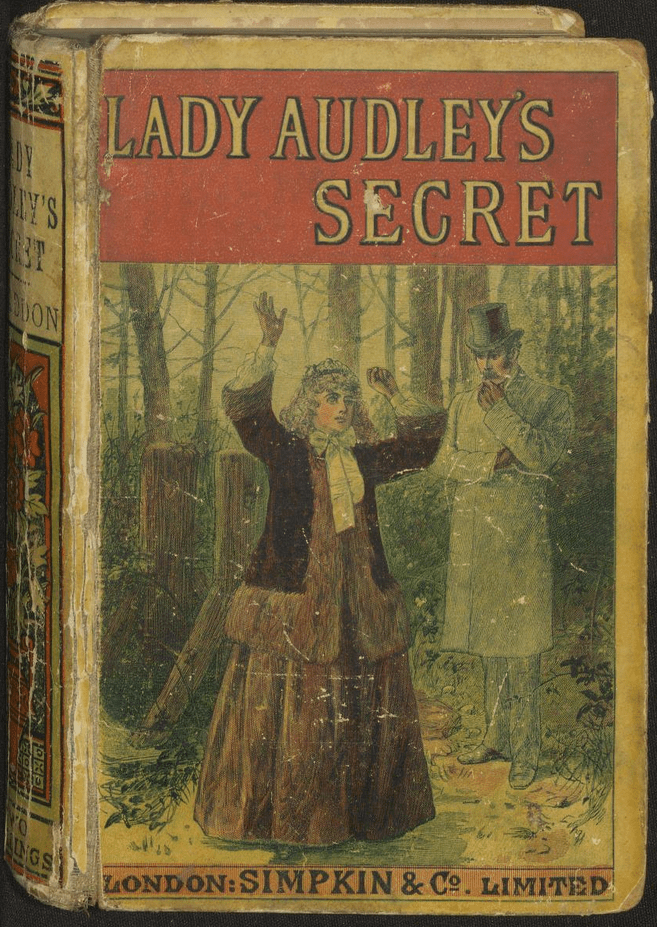
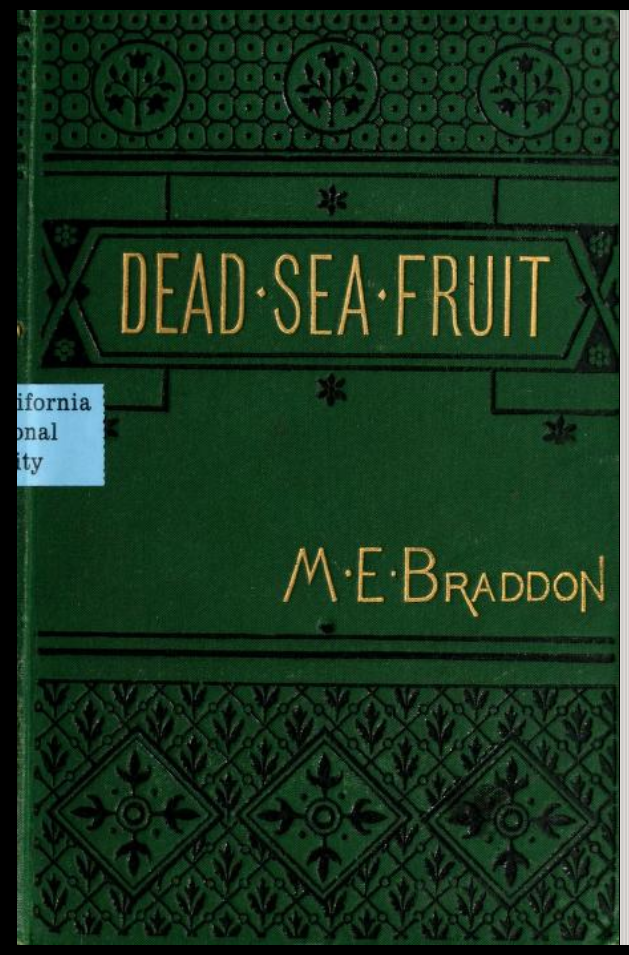
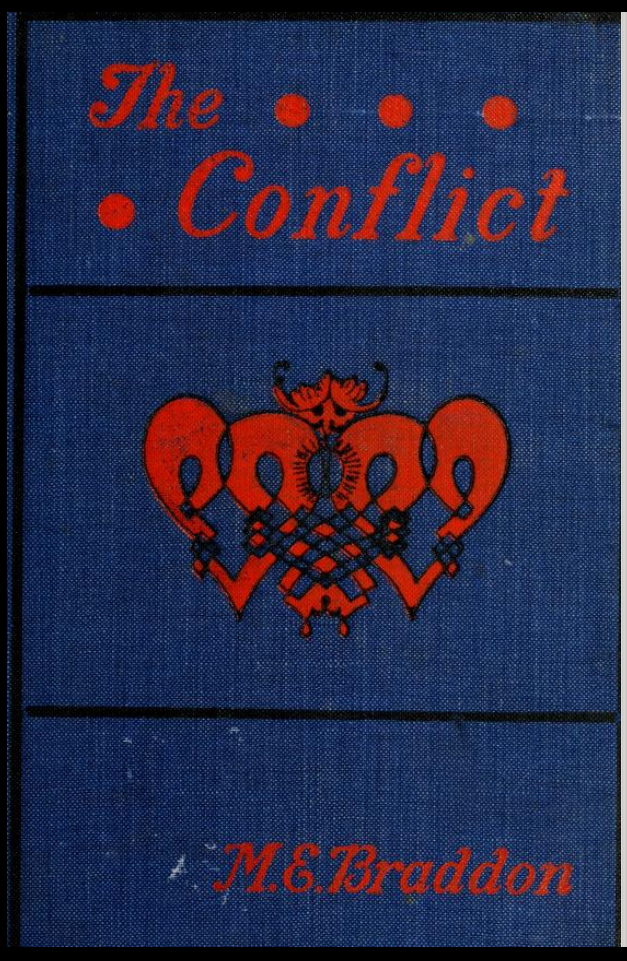
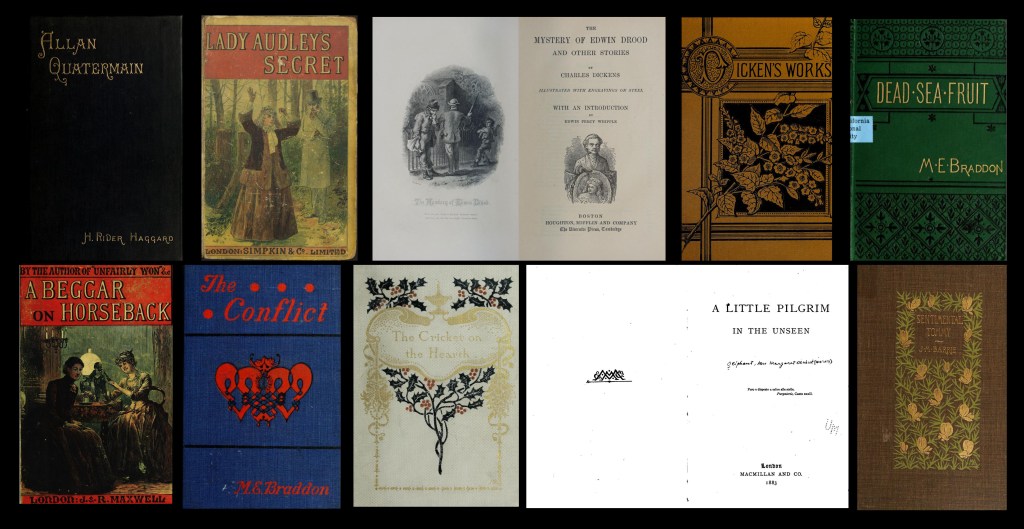
Braddon published 65 titles, mostly three-volume novels, between 1861’s The Trail of the Serpent and 1900’s The Infidel. Her second novel, Lady Audley’s Secret, remains in print to this day. You can read this – and many of her other works – here, on Project Gutenberg.
2 G. W. M. Reynolds, The Bronze Soldier, 1854
First two halfpenny numbers, 100,000 each [Altick 1957, p384]
3 Charles Kickham, Knocknagow, 1879
Sales in excess of 100,000 between 1889 and 1989 [Comerford 1979: 209]
The biographer of Irish nationalist writer Charles Kickham notes that his phenomenally successful historical novel, Knocknagow, or, The Homes of Tipperary, went into multiple editions following a particularly successful 1889 reprint (Comerford 1979: 209). In 1918, the novel became one of the Irish silent film industry’s first productions: you can watch it on the Internet Archive, here.
You can read more about sales of Kickham’s novel in my book on Mudie’s Select Library, and you can read Knocknagow here.
4 Charles Dickens, Pirated and abridged novels, 1841
“Parley’s Library” editions of The Old Curiosity Shop and Barnaby Rudge, 70,000 [Altick 1969, p201]
In 1843, Dickens’s seasonal ghost story A Christmas Carol became his most popular and successful work to date, a fact which did not go unnoticed by profiteers in the publishing industry. A pirated (and perhaps worse, abridged) copy which was released as part of a series titled Parley’s Illuminated Library sold well enough to incur the wrath of the author, who took the publisher to court for breach of copyright. Dickens won, but was left liable for costs of £700 when Parley’s declared themselves bankrupt; given the huge sales enjoyed by his two previous works, The Old Curiosity Shop and Barnaby Rudge, this seems dubious. Some have speculated that these events were the reason for Dickens’s famously negative views on the court system.
Parley’s editions are hard to track down, but you can read all of Dickens’s original novels here.
5 Charles Dickens, The Mystery of Edwin Drood part 1, 1870
50,000 (unspecified time) [Altick 1957, p384]
6 Charles Dickens, The Cricket on the Hearth, 1845
30-40,000 [Altick 1957, p384]
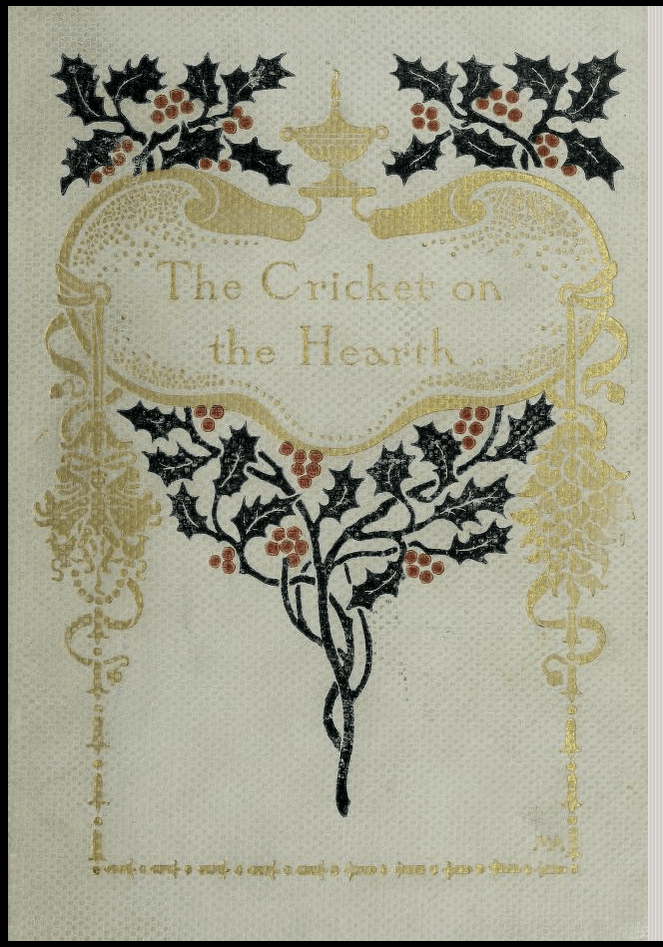
Charles Dickens’s sales during his lifetime were equalled only by his sales after his death. As Altick records in The English Common Reader, “In 1871, the “penny edition” of Oliver Twist [weekly numbers, monthly parts] sold 150,000 in three weeks; David Copperfield sold 83,000 in an equal period. In 1882 it was reported that the total sale of Dickens’ works, in England alone, in the twelve years since his death amounted to 4,239,000 volumes (Altick 384).”
7 J. M. Barrie, Sentimental Tommy, 1896
37,000 “including colonial sales” [Altick 1969, p202]
Despite having an unhappy ending, this early work by Scottish writer James Matthew Barrie did well enough with audiences to put him on the road to much greater renown as the creator of the children’s classic Peter Pan. You can read it here.
8 Charles Dickens, Bleak House, 1852-3
35,000 [Altick 1957, p384]
9 Charles Dickens, Dombey and Son, 1846-8
Approximately 30,000 [Altick 1957, p384]
10 Charles Dickens, David Copperfield, 1849-50
25,000 [Altick 1957, p384]
11 Nannie Lambert O’Donoghue, Beggar on Horseback, 1884 (read it here)
23,000 estimated [Colman 1997, in Kelleher and Murphy, eds, p208.]
In her article “Far From Silent: Nineteenth-Century Irish Women Writers”, Anne Colman describes Nannie Lambert O’Donoghue (aka Mrs. Power O’Donoghue) as “a leading equestrian writer” and “a journalist, novelist and poet” who wrote a number of successful books in both fiction and non-fiction genres.
12 Margaret Oliphant, A Little Pilgrim in the Unseen, 1882
20,000 (read it here)
13 H. Rider Haggard, Allan Quatermain, 1887
15,000 (read it here)
Sources
Altick, Richard D. The English Common Reader: a social history of the mass reading public, 1800-1900. Chicago: University of Chicago Press, 1957.
- This is available at the above link as a PDF. The Internet Archive also holds copies that can be borrowed if you sign up for a free account.
Altick, Richard D. “Nineteenth-Century English Bestsellers: A Further List”. In Studies in Bibliography 22, 1969, pp197-205.
Altick, Richard D. “Nineteenth-Century English Bestsellers: A Third List”. In Studies in Bibliography 39, 1986, pp235-41.
Colman, Anne. “Far from Silent: Nineteenth-Century Irish Women Writers.” Gender Perspectives in Nineteenth-Century Ireland: Public and Private Spheres, Irish Academic Press, 1997. Google Books, https://archive.org/details/isbn_9780716525905/page/208/mode/1up?q=nannie.
Comerford, Richard Vincent. Charles J. Kickham: A Study in Irish Nationalism and Literature. Portmarnock [Ire.] : Wolfhound Press, 1979. Internet Archive, http://archive.org/details/charlesjkickhams00come.
How to cite this post
Wade, Karen. “The Bestselling English Novels of the 19th Century, Ranked: Part Four.” The Sea of Books, 14 May 2024, URL
 The Sea of Books
4 Comments Add yours